
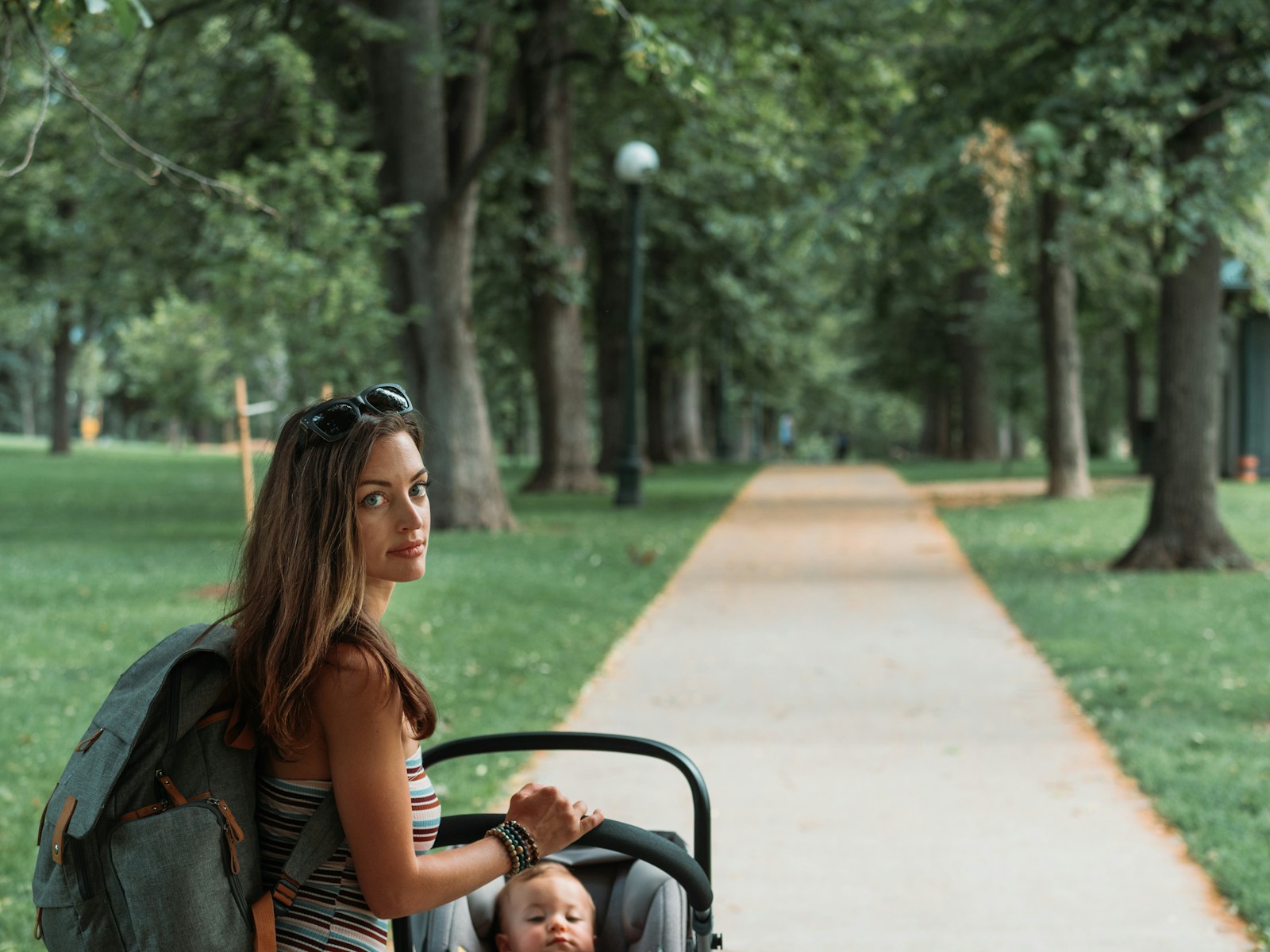
The arrival of a child marks a significant transformation in the lives of parents, prompting numerous lifestyle adjustments. One of the most essential tools that support this transition is the baby stroller. Often seen as a mere convenience, strollers actually offer a wide range of benefits that contribute to the well-being of both the child and the caregiver especially if you have a Buggyboard. From promoting mobility and safety to supporting physical health and social development, strollers play a crucial role in modern parenting. This essay explores the multifaceted benefits of strollers, examining their impact on daily life, parental freedom, child development, and overall family dynamics.
1. Enhanced Mobility and Convenience
One of the most apparent benefits of using a stroller is the enhanced mobility it offers. Parents and caregivers are often required to travel—whether it’s a short walk around the neighborhood, a trip to the grocery store, or a longer vacation. Carrying a baby in arms for extended periods is not only exhausting but also impractical. Strollers solve this issue by allowing parents to transport their child comfortably and securely while maintaining their own physical comfort.
With modern innovations, strollers are now equipped with lightweight frames, swivel wheels, and easy-fold mechanisms, making them highly portable and easy to maneuver in various environments. Whether navigating crowded urban streets or rougher outdoor trails, there are specialized strollers that cater to every terrain. This kind of versatility allows families to explore more freely, promoting active lifestyles and outdoor experiences for both child and parent.
2. Physical Relief and Health Benefits for Parents
Carrying a baby for long periods can lead to muscle strain, back pain, and fatigue, especially for parents recovering from childbirth or managing other physical health issues. Strollers offer essential ergonomic support, relieving the physical burden of babywearing or manual carrying. For parents with medical conditions or limited strength, strollers become an indispensable mobility aid, allowing them to care for their child without compromising their own health.
Moreover, pushing a stroller during walks or light jogging can also serve as a form of low-impact exercise, helping parents stay active and regain fitness postpartum. This dual benefit—caring for the child while also attending to one’s physical health—highlights the practical and holistic value of stroller use.
3. Safety and Security for the Child
Modern strollers are designed with a high standard of safety in mind. Features such as five-point harnesses, brakes, shock absorbers, canopies, and reclining seats ensure that infants and toddlers are well-protected from environmental hazards and sudden movements. Compared to carrying a child in one’s arms where the risk of falls or trips is higher, a stroller provides a secure and stable environment for the child.
In addition, strollers with sunshades or rain covers help protect children from harsh weather conditions, including UV rays, wind, and rain. Some models are equipped with insect nets or ventilation panels, further enhancing the comfort and protection of the child. This safety factor gives parents peace of mind, allowing them to focus more on the journey or activity at hand.
4. Supports Healthy Sleep and Rest Patterns
Infants and toddlers require frequent rest and sleep. Strollers provide a comfortable space where a child can nap during outings without interruption. Many models come with adjustable backrests, allowing for different seating positions—from upright to fully reclined—making it easier for the child to sleep while on the go.
This functionality helps parents maintain regular routines even when away from home. Whether during errands or leisure activities, the ability to keep a child’s sleep schedule intact contributes to their emotional well-being and developmental health.
5. Encourages Social Interaction and Exploration
By using a stroller, parents can more easily participate in community events, family outings, and social activities, thereby promoting the child’s exposure to the outside world. These early experiences are crucial for sensory development and socialization. Babies observe sights, sounds, and interactions around them, which contributes to cognitive stimulation and emotional growth.
Some stroller models allow the child to face forward or backward, depending on their age and developmental stage. This flexibility can either encourage bonding with the parent or facilitate greater interaction with the surroundings, both of which are important for emotional security and curiosity development.
6. Multi-Functional Design and Long-Term Value
Today’s strollers often feature modular or convertible designs, allowing them to adapt as the child grows. Some can transform from a bassinet-style stroller for newborns into a toddler seat, or even function as a travel system with compatible car seats. This adaptability means that a single stroller can serve a child from infancy through toddlerhood, offering excellent long-term value.
In addition, many strollers include storage compartments, cup holders, diaper bag hooks, and other accessories that make outings more manageable for parents. These thoughtful design elements reduce the need to carry extra bags, thereby increasing convenience and efficiency.
7. Facilitates Independent Parenting
For single parents or those who spend long hours alone with their child, strollers offer a vital means of independently managing daily responsibilities. Whether it’s walking to daycare, running errands, or enjoying a solo walk in the park, the stroller becomes a reliable companion that allows the parent to maintain a degree of autonomy and control.
This sense of independence is not only empowering but also beneficial for mental health. It helps reduce feelings of isolation and boosts confidence in one’s parenting capabilities.
8. Environmental and Economic Benefits
Compared to short car trips for simple errands, using a stroller can be an eco-friendly alternative that reduces carbon emissions. Walking with a stroller encourages sustainable living, especially in urban environments where public transportation and pedestrian infrastructure are available.
From an economic standpoint, a high-quality stroller may seem like a significant upfront investment, but its durability and multi-functionality make it cost-effective over time. Families with multiple children can also reuse the same stroller, further extending its value and reducing waste.
Conclusion
In conclusion, strollers are far more than mere transportation devices for children. They represent a fusion of safety, convenience, ergonomic design, and developmental support. By enhancing mobility, reducing physical strain, and fostering child engagement with the world, strollers empower parents and caregivers to manage the complexities of daily life more effectively. In doing so, they contribute not only to the child’s growth and comfort but also to the overall well-being and confidence of the parent. As parenting tools continue to evolve, the stroller remains a timeless and indispensable ally in the journey of raising a child.