
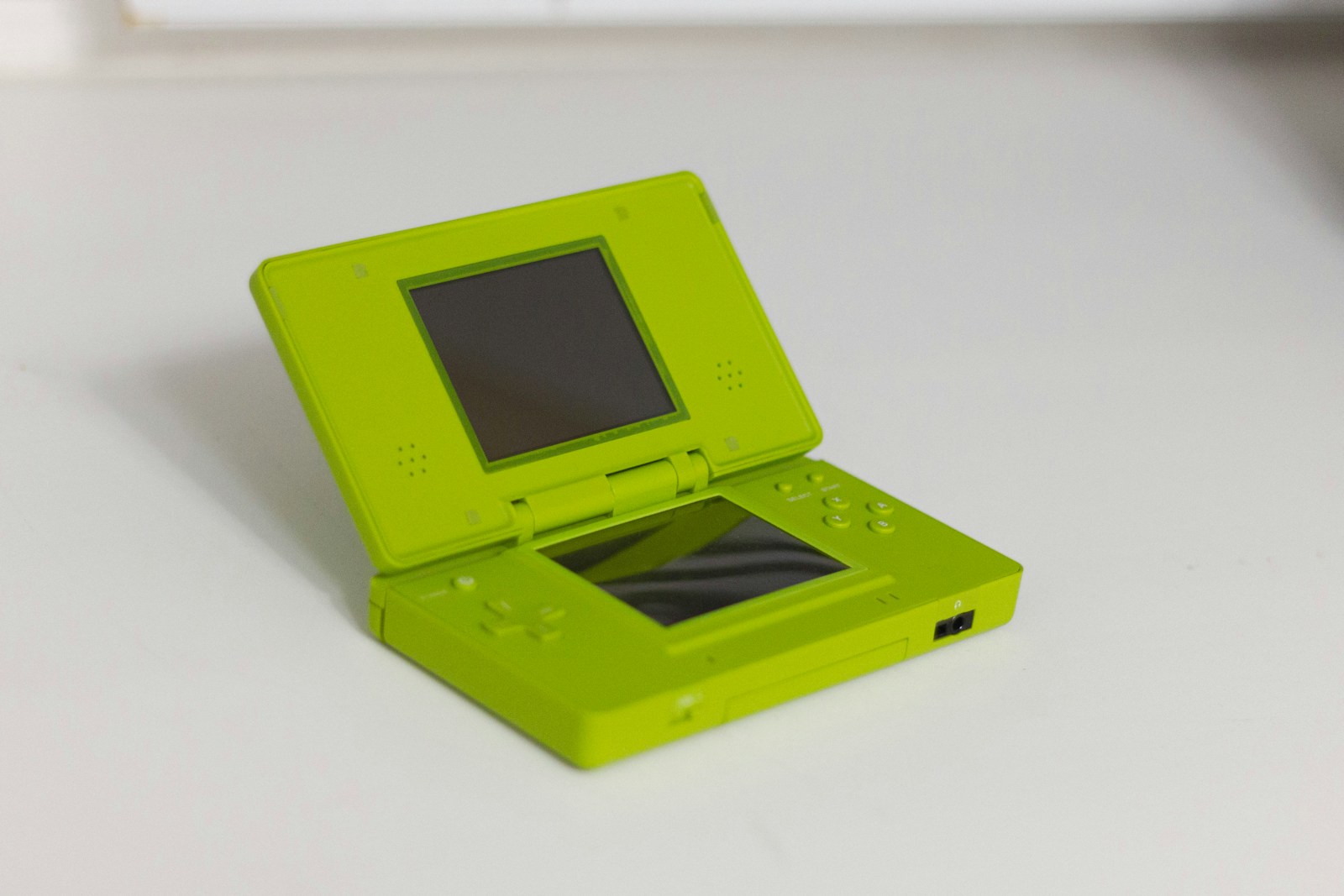
Nintendo is one of the most influential and iconic companies in the history of video games. From its humble beginnings as a playing card company in Japan to becoming a global leader in the gaming industry, Nintendo’s history is marked by innovation, risk-taking, and a deep understanding of interactive entertainment. Its evolution reflects not only the growth of the video game industry but also how a company can adapt to changing times while maintaining its core identity. Play Nintendo DS on the Android with the Drastic Emulator.
Origins: From Cards to Consoles (1889–1970s)
Nintendo was founded on September 23, 1889, by Fusajiro Yamauchi in Kyoto, Japan. Originally, it produced Hanafuda, a type of traditional Japanese playing card. For decades, Nintendo remained a successful card manufacturer, even partnering with Disney in the 1950s to create character-based cards, which helped expand its appeal to younger audiences.
In the 1960s, under the leadership of Hiroshi Yamauchi, the company began exploring other ventures, including a taxi company, love hotels, and toy manufacturing. Most of these attempts failed, but Nintendo found moderate success with electronic toys like the Ultra Hand, designed by Gunpei Yokoi, who would later become a pivotal figure in Nintendo’s rise in the video game industry.
Entering the Video Game Industry (1970s–1980s)
Nintendo entered the video game market in the 1970s, starting with arcade games. One of its first major successes was Donkey Kong (1981), created by a young designer named Shigeru Miyamoto. The game introduced characters like Mario (originally called Jumpman), who would go on to become the company’s mascot and one of the most recognizable figures in gaming history.
In 1983, Nintendo released the Family Computer (Famicom) in Japan, later launched in North America in 1985 as the Nintendo Entertainment System (NES). At a time when the American video game market was struggling due to a crash in 1983, the NES revitalized the industry. It brought classic franchises like Super Mario Bros., The Legend of Zelda, and Metroid, which helped establish Nintendo as a household name.
The Rise of Handheld Gaming (1989–1990s)
In 1989, Nintendo released the Game Boy, a portable gaming device that became a massive success. It was bundled with Tetris, a puzzle game that appealed to a broad audience. The Game Boy’s portability, long battery life, and strong library of games, including Pokémon in the late 1990s, helped Nintendo dominate the handheld gaming market for decades.
Throughout the 1990s, Nintendo continued its success with consoles like the Super Nintendo Entertainment System (SNES) and Nintendo 64. These systems introduced advanced graphics and gameplay, further evolving franchises like Mario, Zelda, and Donkey Kong. The N64, released in 1996, was also notable for pioneering 3D gameplay and launching classics like Super Mario 64 and The Legend of Zelda: Ocarina of Time.
Competition and Innovation (2000s)
The early 2000s brought increased competition from Sony and Microsoft. Nintendo’s GameCube (2001) was technically powerful but struggled commercially compared to the PlayStation 2 and Xbox. However, Nintendo’s real breakthrough came with the Nintendo DS in 2004 and the Wii in 2006.
The Wii was a revolutionary console that focused on motion controls and appealed to a wider, more casual audience. It became a cultural phenomenon, especially with games like Wii Sports, and sold over 100 million units worldwide. Nintendo proved that innovation and accessibility could outperform raw technical power.
Modern Era: Switch and Beyond (2010s–Present)
After the less successful Wii U (2012), Nintendo made a major comeback with the Nintendo Switch, released in 2017. The Switch is a hybrid console that can be used both as a home console and a portable device. It became a massive success, reinvigorating Nintendo’s brand and leading to hits like The Legend of Zelda: Breath of the Wild, Super Mario Odyssey, and Animal Crossing: New Horizons.
Nintendo has also expanded into other areas in recent years, including mobile gaming, theme parks (Super Nintendo World), and film (such as the 2023 Super Mario Bros. Movie, which was a box office success).
Legacy and Impact
Nintendo has shaped the history of gaming like no other company. Its focus on creativity, family-friendly content, and game design over sheer graphical power has made it unique. Iconic characters like Mario, Link, Pikachu, and Kirby have become cultural symbols.
Moreover, Nintendo’s emphasis on fun and innovation—whether through motion controls, dual screens, or hybrid gaming—has often set industry trends. Despite ups and downs, the company remains one of the most beloved and influential players in the entertainment world.
Conclusion
From playing cards to pioneering game consoles, Nintendo’s journey is a story of adaptation, resilience, and imagination. It has redefined entertainment multiple times and continues to do so with each new generation. With its deep catalog of beloved franchises and a commitment to creative play, Nintendo remains not only a pillar of the gaming industry but a cherished part of popular culture around the world.