
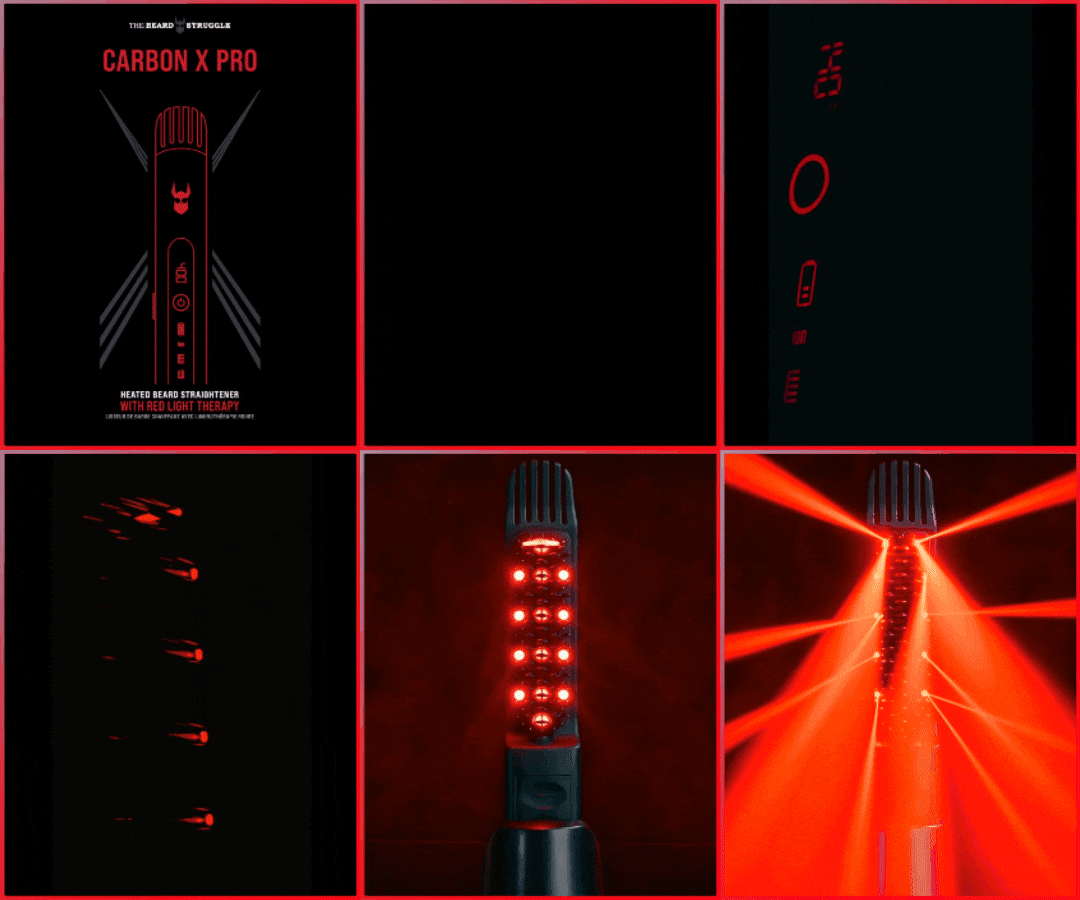
Red light therapy booster has quickly become one of the most talked-about innovations in modern skincare. Once limited to clinics, spas, and professional dermatology offices, this technology is now widely accessible through at-home LED masks, handheld devices, and full-body light panels. While it may seem like another passing beauty trend, red light therapy—also known as photobiomodulation—is supported by decades of scientific research on how specific wavelengths of light influence cellular function. Whether you are new to the concept or curious about how it actually works, understanding the basics of red light therapy helps reveal why it has become a staple for skin rejuvenation, healing, and overall wellness.
What Is Red Light Therapy?
Red light therapy (RLT) is a noninvasive treatment that uses low-level wavelengths of visible red and near-infrared light to stimulate natural biological processes in the skin and deeper tissues. Unlike ultraviolet (UV) light, which damages the skin and increases the risk of aging and cancer, red light is gentle, non-thermal, and does not cause burns or DNA alteration. Instead, it interacts with the mitochondria—your cells’ energy factories—to encourage better performance and faster repair.
RLT typically uses two wavelength ranges:
- Red light (620–700 nm): Primarily benefits the surface layers of the skin, aiding in collagen production and reducing inflammation.
- Near-infrared light (780–850 nm): Penetrates deeper into muscles, joints, and tissues to support healing, regeneration, and circulation.
Together, these wavelengths help restore cellular balance and encourage the skin to function at a more youthful, energetic level.
The Science Behind Red Light Therapy
Red light therapy works through a process known as photobiomodulation, where light energy is absorbed by the mitochondria and converted into biochemical energy. This boosts the production of adenosine triphosphate (ATP)—the molecule responsible for powering nearly all cellular activity.
When ATP production increases, your cells gain the energy they need to:
- Build new collagen
- Repair damaged tissue
- Reduce inflammation
- Improve circulation
- Accelerate cell turnover
This explains why red light therapy has broad benefits for both cosmetic and medical concerns.
Another key effect is the release of nitric oxide, which dilates blood vessels and encourages better oxygen and nutrient delivery to the skin. When these processes combine, the skin becomes more vibrant, resilient, and capable of repairing itself more quickly.
How Red Light Therapy Transforms Your Skin
The reason red light therapy has become a beloved tool in skincare routines worldwide is simple: the results are visible, measurable, and natural. Here are the primary ways it transforms the skin.
1. Boosts Collagen and Elastin Production
Collagen is the structural protein that keeps skin firm and youthful. Over time, collagen naturally decreases, leading to sagging, fine lines, and wrinkles. Red light therapy stimulates the fibroblasts—cells responsible for producing collagen and elastin—resulting in smoother, firmer skin.
Many users notice:
- Softening of fine lines
- Plumper, more elastic skin
- Improved facial contour
2. Reduces Wrinkles and Signs of Aging
Because red light boosts cellular repair and collagen remodeling, it gradually reduces the appearance of wrinkles. Unlike harsh exfoliants or retinoids, RLT does not cause irritation, making it ideal for sensitive or mature skin.
3. Repairs Sun Damage and Evens Skin Tone
Skin frequently exposed to sunlight develops uneven pigmentation, rough texture, and accelerated aging due to UV damage. Red light therapy helps:
- Fade hyperpigmentation
- Improve skin texture
- Stimulate healing in sun-damaged areas
It works not by bleaching pigment but by increasing cell turnover and repairing damaged skin tissue.
4. Reduces Inflammation and Redness
Red light therapy is known for its anti-inflammatory effects. For those dealing with inflamed skin conditions, it can be particularly helpful:
- Rosacea
- Eczema flare-ups
- Post-treatment irritation
- Redness from acne or sensitivity
By calming overactive immune cells, RLT restores balance and reduces persistent redness.
5. Helps Combat Acne
Contrary to blue light, which kills acne-causing bacteria, red light therapy works by soothing inflammation and accelerating healing. This makes it especially effective for:
- Preventing acne scars
- Reducing swelling in cystic acne
- Supporting recovery after breakouts
- Improving overall skin resilience
Many people use red and blue light together for comprehensive acne management.
6. Enhances Skin Texture and Smoothness
Users consistently report softer, more refined skin texture due to increased cell turnover and improved hydration. Red light helps rejuvenate the outer layers of the skin without peeling or sensitivity.
Why Red Light Therapy Is Safe
One of the biggest advantages of red light therapy is its safety profile. Because the wavelengths used do not generate heat or UV radiation, the treatment does not damage the skin. It is painless, noninvasive, and has virtually no downtime or side effects when used correctly.
Additionally:
- It’s safe for all skin tones
- It can be used daily
- It pairs well with most skincare products
- It’s suitable for sensitive skin
Unlike lasers or chemical peels, RLT is gentle enough for consistent, long-term use.
Using Red Light Therapy at Home
Advances in LED technology have made at-home devices both effective and accessible. Common options include:
- LED masks for full-face treatment
- Handheld wands for targeted areas
- Light panels for body and facial treatment
- Portable cubes for travel or spot treatment
Most experts recommend using the device 3–5 times per week for 10–20 minutes per session to see optimal results. Consistency matters—the effects are cumulative and build over time.
Enhancing Results with Skincare
Many people combine red light therapy with serums or hydrating products to enhance absorption and support the skin’s healing response. Products that pair well with RLT include:
- Hyaluronic acid
- Peptides
- Niacinamide
- Antioxidants like vitamin C
- Soothing botanicals such as aloe
Avoid applying strong acids or retinoids before treatment to prevent irritation, though they can still be used separately within a weekly routine.
Conclusion
Red light therapy is far more than a beauty trend—it is a scientifically validated, noninvasive treatment that energizes the skin at a cellular level. By improving collagen production, reducing inflammation, and accelerating skin repair, it offers a natural and effective approach to healthier, more youthful-looking skin. Whether used for anti-aging, acne, or overall skin rejuvenation, red light therapy is a powerful tool that continues to reshape the future of skincare.
If you’re looking to upgrade your routine with something gentle yet transformative, red light therapy may be the perfect place to start.