
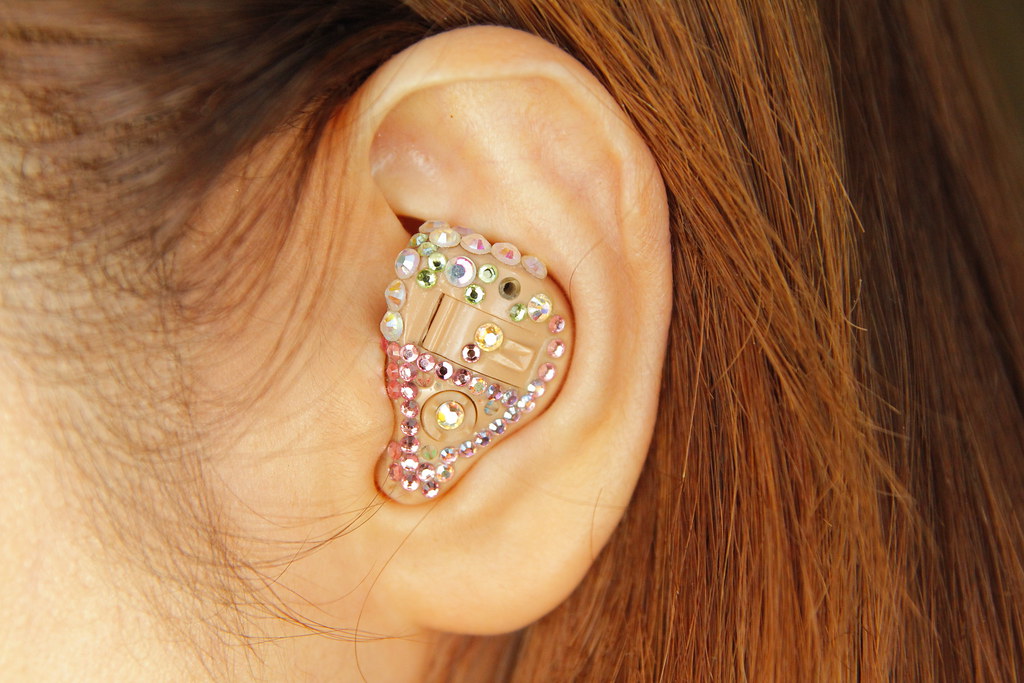
Hearing is one of our most vital senses, shaping the way we communicate, connect with others, and perceive the world around us. Yet despite its importance, hearing health is often overlooked. Many people schedule yearly physicals, dental cleanings, and eye exams, but hearing tests rarely make the routine health checklist. This oversight can have serious consequences. Hearing loss often develops gradually, making it easy to ignore until the symptoms significantly affect everyday life. By then, valuable time for early intervention may have already passed.
Regular hearing tests are not simply about determining whether someone needs hearing aids; they are a critical component of overall health and well-being. From detecting early signs of medical conditions to protecting cognitive function and maintaining strong relationships, routine hearing evaluations play a much larger role than most people realize. This essay explores the reasons why regular hearing tests are essential—and why they should be prioritized at all stages of life. If you are in Wichita Falls and need hearing aids we recommend this hearing aids Wichita Falls company.
Hearing Loss Often Develops Slowly and Silently
One of the greatest challenges with hearing loss is that it tends to happen gradually. Unlike sudden changes in vision or acute medical symptoms, hearing loss creeps in over time. The brain adapts to the change by filling in gaps or guessing at missing sounds, and many individuals don’t recognize the problem until it becomes severe.
Regular hearing tests allow professionals to detect subtle changes in hearing that are not obvious to the individual. Early detection means early intervention—before communication becomes strained, before relationships suffer, and before quality of life begins to decline.
Hearing Health Is Closely Linked to Cognitive Health
Recent research has highlighted a strong connection between untreated hearing loss and cognitive decline. When the brain struggles to process degraded sound signals, cognitive resources are diverted away from memory, comprehension, and decision-making. Over time, this extra strain can contribute to accelerated cognitive aging.
Regular hearing tests help identify early hearing loss, giving people the chance to seek treatment that reduces this cognitive load. Many studies now suggest that treating hearing loss—often with hearing aids—can help maintain cognitive sharpness and reduce the risk of future decline. In this sense, hearing tests serve as a proactive measure for long-term brain health.
Hearing Tests Can Detect Underlying Medical Issues
Hearing problems are not always caused by aging or noise. Sometimes they signal underlying medical conditions that require attention. Regular hearing exams can help detect:
- Ear infections or fluid buildup
- Impacted earwax
- Ototoxic medication effects
- Circulatory issues
- Tumors on the auditory nerve (such as acoustic neuroma)
- Autoimmune disorders affecting the inner ear
Because the hearing system is closely connected to the neurological and circulatory systems, changes in hearing may be the first indicator of a more serious issue. Identifying these problems early through routine testing can lead to earlier treatment and better outcomes.
Early Intervention Improves Long-Term Hearing Outcomes
The earlier hearing loss is identified, the better the long-term outcomes. When hearing loss goes untreated, the auditory pathways in the brain can weaken due to lack of stimulation—a phenomenon sometimes referred to as “auditory deprivation.” The longer a person struggles to hear without assistance, the harder it becomes for the brain to relearn how to process sound.
Regular hearing tests ensure that treatment begins at the right time, preserving auditory pathways and supporting easier, more successful adaptation to hearing devices if they become necessary.
Hearing Loss Affects Emotional and Social Well-Being
Hearing loss doesn’t just affect the ears—it affects mood, confidence, and emotional health. Misunderstandings in conversation can lead to frustration, embarrassment, and social withdrawal. Over time, people with unaddressed hearing loss may avoid social situations, increasing the risk of loneliness and depression.
Routine hearing evaluations help identify problems before they begin to interfere with social life. Early treatment can restore clarity in communication, helping individuals stay engaged with family, friends, and community.
Regular Testing Supports Workplace Success
Clear communication is essential in nearly every profession. Untreated hearing loss can lead to:
- Misunderstanding instructions
- Missing important details
- Fatigue from constantly straining to hear
- Reduced performance or confidence
Hearing tests help workers stay aware of their hearing health and address issues before they affect job performance. For people working in noisy environments—construction, manufacturing, aviation, or entertainment—regular hearing tests are especially vital to monitor potential noise-induced damage.
Preventing Noise-Induced Hearing Loss in Younger Generations
Contrary to popular belief, hearing loss is not only an issue for older adults. Modern lifestyles expose children, teens, and young adults to potentially harmful noise levels through:
- Loud music through headphones
- Concerts and clubs
- Sports arenas
- Power tools and recreational vehicles
- Video games or home theaters at high volume
Regular hearing tests help identify early signs of noise-induced damage and promote healthier listening habits before permanent loss occurs. For children, early detection is critical for speech development, learning, and social development.
Baseline Tests Create a Foundation for Future Comparisons
Just as doctors track blood pressure or cholesterol levels over many years, hearing professionals track changes in hearing. A baseline hearing test creates a starting point, allowing audiologists to detect even small declines in hearing over time.
This helps:
- Track the progression of hearing loss
- Identify changes caused by medication, noise exposure, or illness
- Make informed decisions about treatment
- Adjust hearing aids or other interventions as needs evolve
Without a baseline, it is much harder to accurately assess the rate or severity of hearing decline.
Hearing Tests Foster a Culture of Preventive Care
Hearing health often becomes a priority only when a person is already struggling. Routine hearing tests shift the focus from reaction to prevention. Much like vision exams or dental cleanings, hearing evaluations should be integrated into one’s overall health plan.
By encouraging regular testing, individuals become more aware of their hearing habits, more conscious of noisy environments, and more proactive in protecting their long-term hearing health.
Conclusion
Hearing tests are far more important than most people realize. They are not just for older adults or those already experiencing problems—they are a vital tool for protecting brain function, emotional well-being, communication, and overall health. Because hearing loss often develops silently and gradually, routine evaluations are the best way to catch early changes, identify underlying medical issues, and intervene before long-term consequences arise.
Incorporating hearing tests into regular healthcare routines is an investment in lifelong well-being. By prioritizing hearing health today, individuals can enjoy clearer communication, greater confidence, and improved quality of life for many years to come.